Super Gardener: Recycling and Sustainability
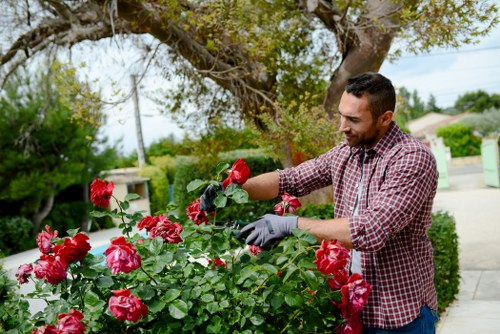 Super Gardener is committed to creating an eco-friendly waste disposal area that supports neighbourhoods, boroughs and homeowners. Our approach blends practical on-site recycling with community-scale solutions to make sustainable gardening easy and visible. We build sustainable rubbish gardening area systems that reduce landfill, promote composting and keep usable materials circulating back into the local economy. Every garden waste collection is an opportunity to turn trimmings into nutrient-rich soil and to sort items for recycling rather than disposal.
Our work in recycling and sustainability is measured by a clear recycling percentage target: we aim to reach a 70% combined recycling and composting rate by 2030 across our managed contracts and partner boroughs. To do this we coordinate with local transfer stations, invest in on-site segregation and run public information campaigns that align with borough waste separation schemes — for example, separate food and garden waste collections, glass and mixed recycling divisions, and clear guidelines for plastics and small metal items.
![The image depicts a person kneeling on a well-maintained lawn in a garden, foliage and flower beds in the background. The individual, wearing beige gardening trousers, a blue vest, and brown rubber boots, is using a small handheld rake or cultivator to tend to the soil near a border of flowering plants, including yellow and purple blooms. The garden features a lush, green grass lawn with a clear edge along the flower beds, which are filled with dense greenery and vibrant blossoms. There is natural daylight illuminating the scene, suggesting a bright, fair weather day. A white garden spray bottle is visible beside the person, indicating gardening activity focused on soil care, plant maintenance, or weeding. The background includes a mix of mature shrubs and trees, contributing to a neat and orderly outdoor space typical of a residential garden in the vicinity of [POSTCODE]. This scene aligns with professional gardening and landscaping services provided by Super Gardener, aimed at enhancing sustainable, environmentally friendly outdoor spaces in [TOWN].](/pub/_photos/gardening/f1400418976.jpg) We run designated eco-friendly disposal zones at sites where gardeners and residents can deposit: clean green waste, woody prunings for chipping, plastic pots rinsed for recycling, and metal tools for reuse. Our sustainable rubbish gardening area programs emphasise reuse and preparation for rehoming: intact pots are cleaned and resold, soil is screened and rejuvenated, and larger items are routed to local transfer stations for proper processing. Services are designed to complement borough-level waste separation policies and reduce cross-contamination.
We run designated eco-friendly disposal zones at sites where gardeners and residents can deposit: clean green waste, woody prunings for chipping, plastic pots rinsed for recycling, and metal tools for reuse. Our sustainable rubbish gardening area programs emphasise reuse and preparation for rehoming: intact pots are cleaned and resold, soil is screened and rejuvenated, and larger items are routed to local transfer stations for proper processing. Services are designed to complement borough-level waste separation policies and reduce cross-contamination.
Partnership is core to our model. We collaborate with local transfer stations and community reuse centres to ensure materials are processed correctly. Our partnerships with charities and social enterprises channel good-quality plants, working tools and compostable materials to community gardens and households in need. By linking horticultural reuse with charitable partners we cut waste, support local projects and keep useful items in circulation instead of sending them to landfill.
![A woman with blonde hair tied back, wearing a checked shirt and gardening gloves, is tending to a flower bed in a suburban garden. She is closely examining or planting vibrant yellow and pink tulips that are in full bloom. The garden features a well-maintained lawn with dense, green grass in the foreground, bordered by flowering plants and shrubs. In the background, mature trees with bare branches cast shadows on a paved driveway or pathway, indicating early spring or late autumn weather. The scene is illuminated by natural daylight under a clear sky, creating a bright and inviting outdoor environment. This setting reflects typical residential gardening practices, focusing on flower cultivation and outdoor maintenance, as part of sustainable garden management associated with local gardening services from Super Gardener in the inferred postcode area near [TOWN].](/pub/_photos/gardening/f1990288280.jpg)
Low-carbon fleet and route efficiency
Our fleet includes low-emission vehicles and a growing number of low-carbon vans, including electric vans and plug-in hybrids. Combined with route optimisation software and consolidated pick-ups at local transfer stations, we shrink transport emissions while maintaining reliable service. For short urban journeys we deploy cargo bikes and trailers to avoid unnecessary van miles. These measures help us meet our emissions targets and reduce the carbon footprint of garden waste collection and sustainable rubbish gardening area logistics.Sustainable treatment and processing
Garden waste is primarily diverted to composting facilities or mulching operations that return nutrients to soils. We support community-scale composting as well as large municipal facilities and, where appropriate, thermal processes that recover energy from non-compostables. Through careful sorting — following boroughs' approaches to waste separation such as separate food waste, paper and card collection — we improve output quality so that compost and recycled materials meet local reuse standards.To meet our 70% recycling and composting goal we track progress with clear metrics: monthly diversion rates, volume of green waste turned into compost, number of items reused via charity partnerships, and transport emissions per tonne of waste collected. We work closely with local transfer stations that accept segregated loads, ensuring material streams stay pure: clean wood to chipping, green waste to compost, and plastics to designated recycling facilities. This data-driven process helps us refine the eco-friendly waste disposal area model across boroughs.
![A woman wearing a red checkered shirt and light-colored gloves is kneeling in a garden, tending to a variety of small flowering plants and shrubs with green, yellow, and purple foliage. The garden features neatly organized flower beds on a paved outdoor area, with a background that includes a grey wheelbarrow filled with soil or compost, some small terracotta plant pots, and paving stones. The scene appears to be set in a well-maintained residential garden with natural lighting suggesting a clear day. The varied textures and colours of the plants are visible, indicating careful plant selection and maintenance typical of local gardening efforts in [POSTCODE], near [TOWN]. This scene highlights gardening activities that Super Gardener might support through professional landscaping or lawn care services, emphasizing sustainable and eco-friendly practices. The overall environment is calm and orderly, perfect for outdoor gardening and plant care.](/pub/_photos/gardening/f1989387712.jpg) Our community initiatives focus on giving back. We partner with charities and social projects to redistribute viable plants, tools, pots and bulk mulch to community gardens and householders on low incomes. Items unsuitable for reuse are sent to transfer stations that work with accredited recyclers or to specialist reprocessing schemes. We also host seasonal collection events that mirror borough collection calendars to make it simple for residents to participate.
Our community initiatives focus on giving back. We partner with charities and social projects to redistribute viable plants, tools, pots and bulk mulch to community gardens and householders on low incomes. Items unsuitable for reuse are sent to transfer stations that work with accredited recyclers or to specialist reprocessing schemes. We also host seasonal collection events that mirror borough collection calendars to make it simple for residents to participate.
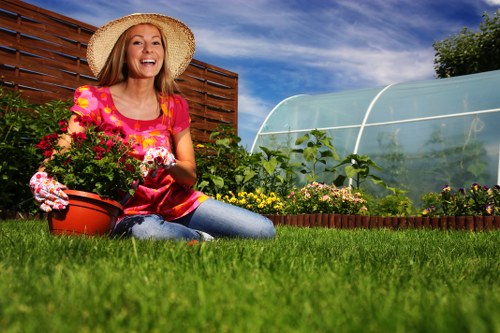 In summary, Super Gardener's approach to recycling and sustainability blends best-practice on-site segregation, collaboration with local transfer stations, and strong partnerships with charities to create a genuinely sustainable rubbish gardening area model. With a clear recycling percentage target, a low-carbon van fleet, cargo-bike support and borough-aligned waste separation practices, we transform garden waste into value while lowering emissions and supporting vibrant, green communities. Our pledge: to keep improving diversion rates, expand charity partnerships and make eco-friendly garden waste disposal the norm.